[17]
Gorée Island -- December 29, 2003
If you click on a photograph, a larger version will open in a new window; close the new window when you have finished viewing the photograph. Video and audio clips may also open in a new window to allow continued downloading of the current page; close that blank window after the clip begins to download.
If you click on a photograph, a larger version will open in a new window; close the new window when you have finished viewing the photograph. Video and audio clips may also open in a new window to allow continued downloading of the current page; close that blank window after the clip begins to download.

Photograph by Luke
Klein

Photograph by Luke Klein
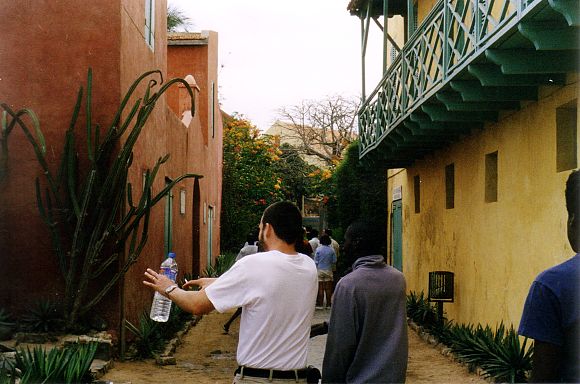
Photograph by Aaron Javsicas
Luke:
Oumar, our friend from Dakar, joined us for our trip to Gorée.
That's Oumar to my right.
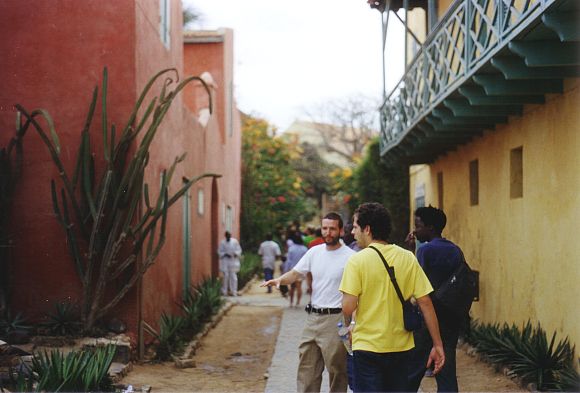
Photograph by Aaron Javsicas
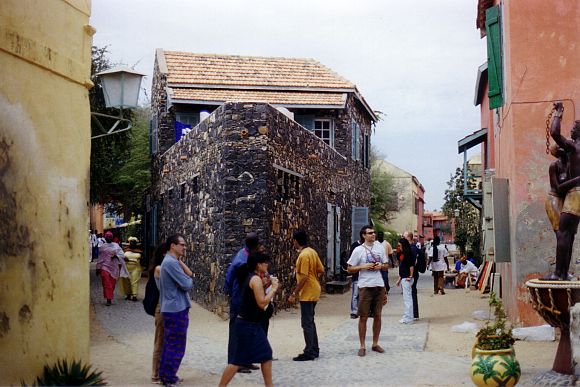
Photograph by Aaron Javsicas

Photograph by David Scholnick

Photograph by David Scholnick

Photograph by Luke Klein
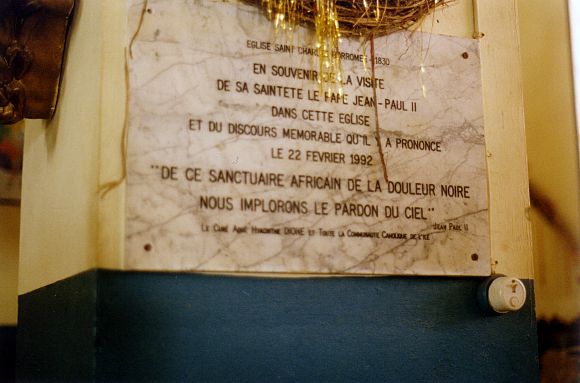
Photograph by Aaron Javsicas
Aaron:
The plaque says something like:
In remembrance of the visit of His Holiness Pope John Paul II to this church and of the memorable words that he spoke on February 22, 1992: "From this African sanctuary of black suffering, we implore the forgiveness of heaven."
In remembrance of the visit of His Holiness Pope John Paul II to this church and of the memorable words that he spoke on February 22, 1992: "From this African sanctuary of black suffering, we implore the forgiveness of heaven."
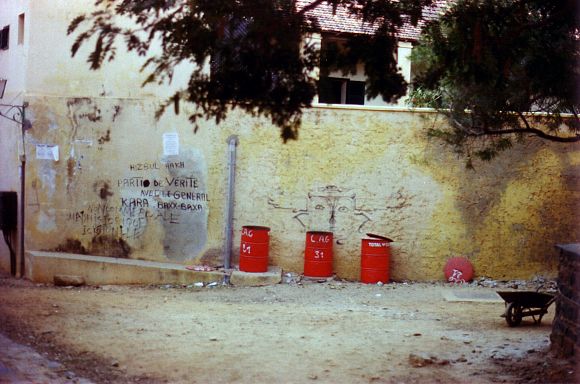
Photograph by Aaron Javsicas

Photograph by Luke Klein
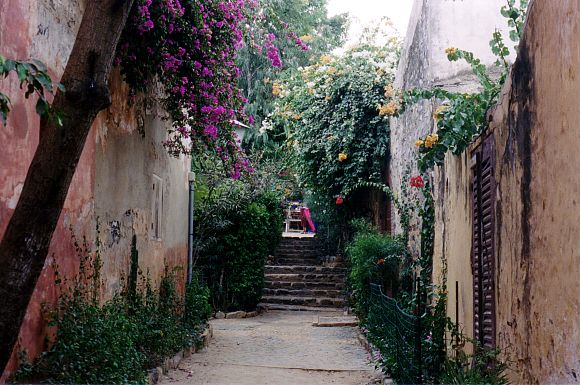
Photograph by Aaron Javsicas
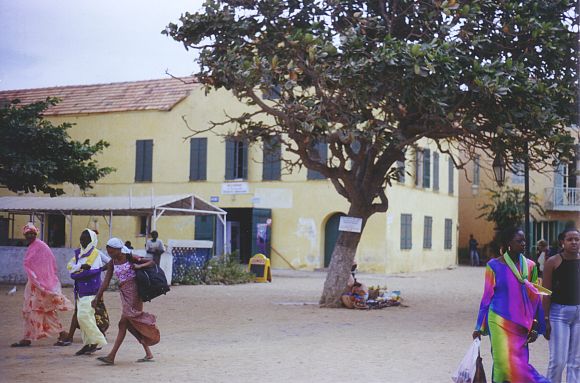
Photograph by Aaron Javsicas
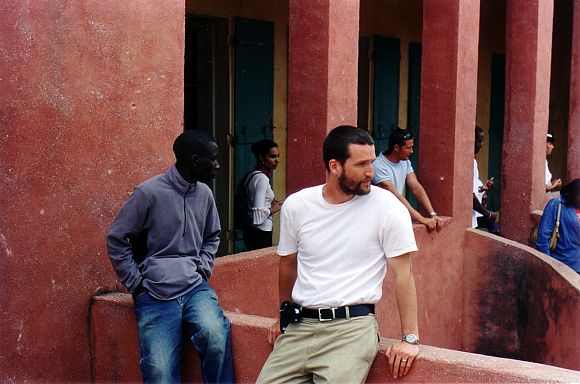
Photograph by Aaron Javsicas

Photograph by David Scholnick
Luke:
Here Oumar is standing in the 'Door of No Return' at the Maison des Esclaves.

Photograph by Luke Klein

Photograph by Luke Klein
Luke:
Daniel in the 'Door of No Return'

Photograph by David Scholnick
Photograph by David Scholnick
Photograph by Aaron Javsicas

Photograph by David Scholnick
Dave:
There were no bad pictures in Gorée.

Photograph by David Scholnick
Photograph by Aaron Javsicas
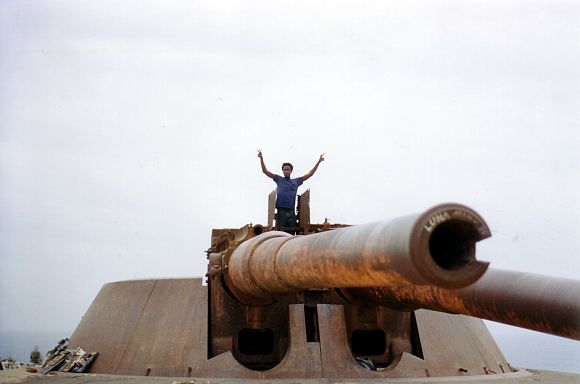
Luke: In colonial times, Gorée was used as a military position by the French. The island is dotted with rusting military installations. (You can see that a chunk was cut from the mouth of this cannon so that it cannot be fired.) People have turned many of these installations into houses. Daniel and I climbed down inside this cannon (below where he is standing) and were surprised to find that we had entered someone's home.
Dave: ...Daniel assured the man that he was 'not a crook'.
Photograph by Aaron Javsicas

Photograph by David Scholnick

Photograph by David Scholnick
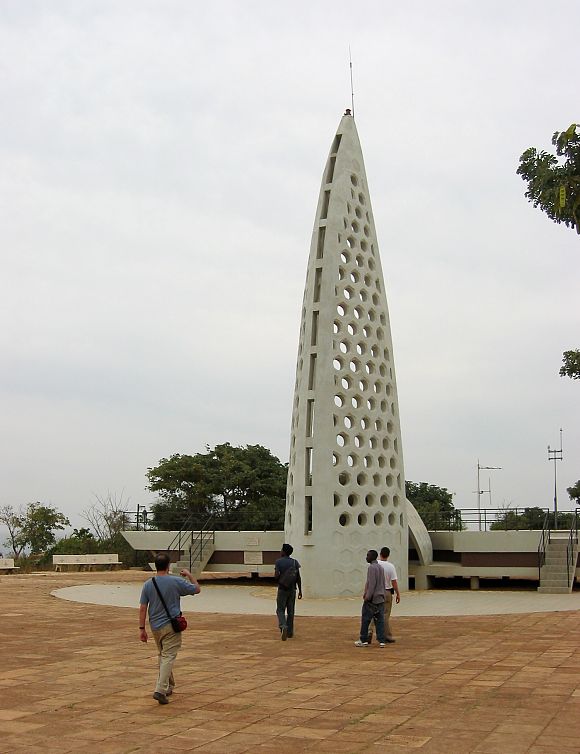
Photograph by David Scholnick
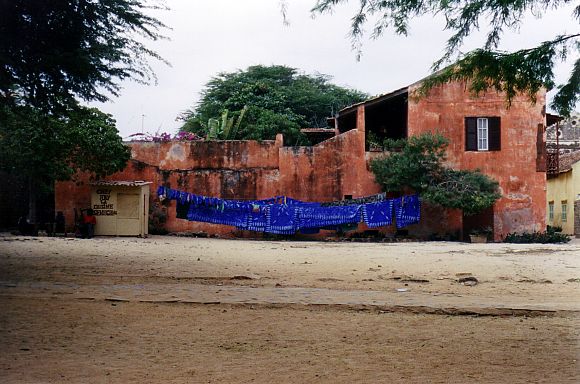
Photograph by Aaron Javsicas

Photograph by David Scholnick
Dave: Relaxing as usual, with a cold Gazelle.
Luke: Yes. There are five gazelles in the picture. Count carefully.
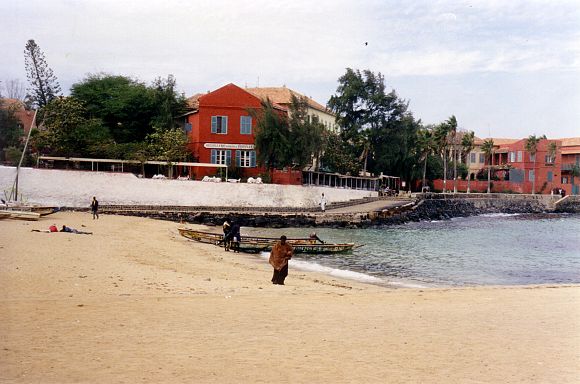
Photograph by Aaron Javsicas

Photograph by David Scholnick

Photograph by Luke Klein

Higher
quality versions of the photographs on this web site may be available
for publication. Please contact info@kleinmail.com
to request permission.